
We use cookies to improve your experience. By continuing to use our site, you agree to our use of cookies.
Prestige Auto Solutions provides R134a and R1234yf air conditioning servicing, leak detection, repairs and sanitisation for all makes and models. Whether your air con is blowing warm air, producing unpleasant smells or not working at all, our technicians can diagnose and repair the fault.
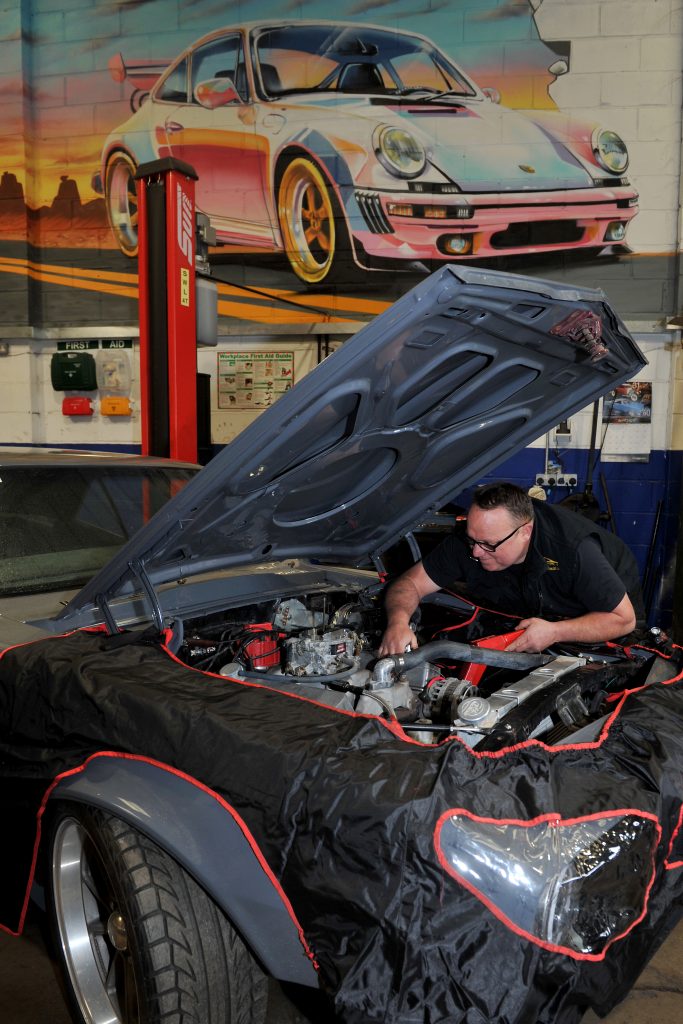
Don’t wait for the heatwave. Get your Air Conditioning Regas at Prestige Auto Solutions and stay cool all summer long.
R134a Regas – Now only £60 + VAT (usually £65)
R1234yf Regas – Now only £105 + VAT (usually £115)
As an added bonus, every Aircon Regas includes a FREE Aircon Sanitiser Deep Clean worth £19, helping to keep your vehicle’s cabin fresh, clean and free from unwanted bacteria.
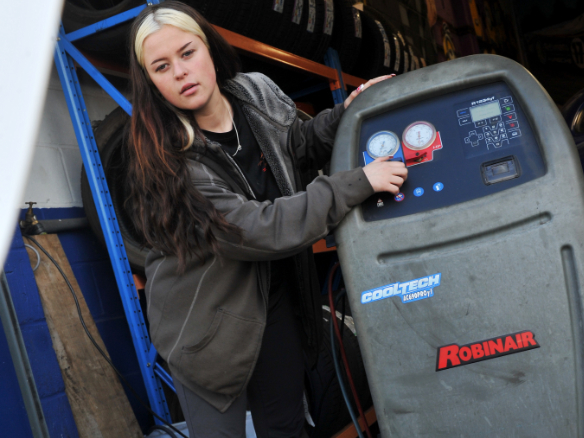
A poorly maintained air con system doesn’t just fail to cool; it can become a health hazard and impact fuel efficiency. Our service goes beyond a simple recharge:
* Please note that there is an additional charge for this service.
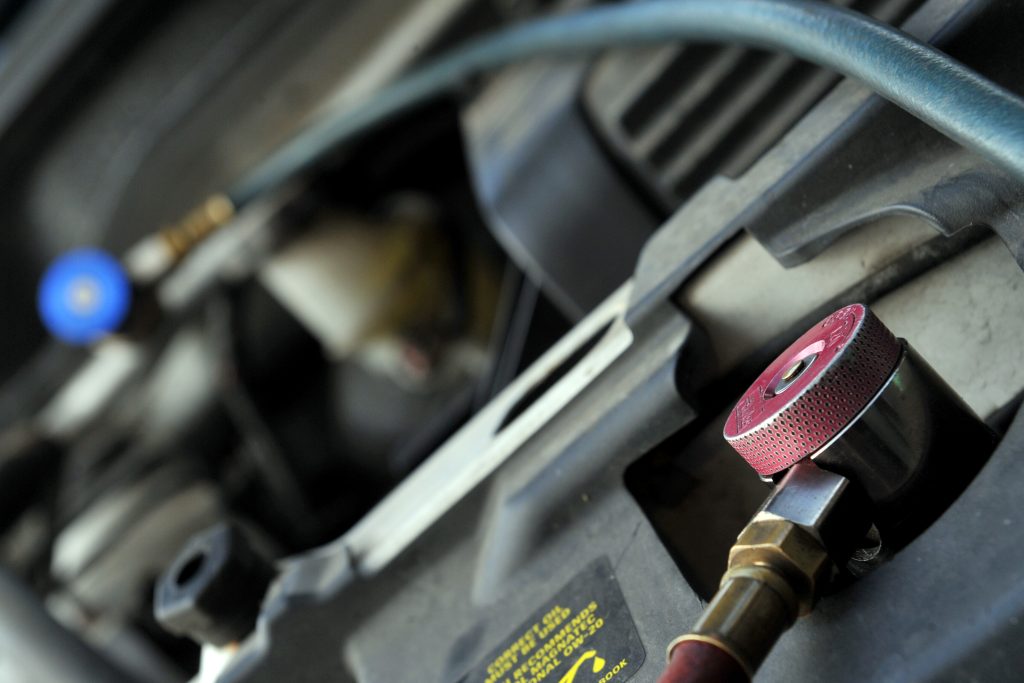

Most air conditioning regas services take between 45 and 60 minutes depending on the vehicle and system condition.
Yes. We use nitrogen pressure testing and ultrasonic leak detection equipment to identify leaks before carrying out repairs.
Common causes include low refrigerant levels, leaks, faulty compressors, damaged condensers or electrical faults.
Yes. Air conditioning removes moisture from the air, helping clear misted windows more quickly.
A poorly maintained system may operate less efficiently and place additional load on the engine.
No. Air conditioning systems generally require separate servicing and regassing.
Most manufacturers recommend a professional AC service every two years. Over time, your system loses approximately 10% of its refrigerant gas, which forces the engine to work harder and increases fuel consumption.
This is typically caused by bacteria and mould buildup on the evaporator. Our free sanitiser treatment, included with every regas, neutralises these pathogens at the source.
R134a was the industry standard for many years. However, nearly all cars manufactured after 2017 use R1234yf, which is more environmentally friendly but requires specialist equipment to service.



Enter your registration number, and we’ll automatically find your vehicle details to get you started.
MOT Expiry: