
We use cookies to improve your experience. By continuing to use our site, you agree to our use of cookies.
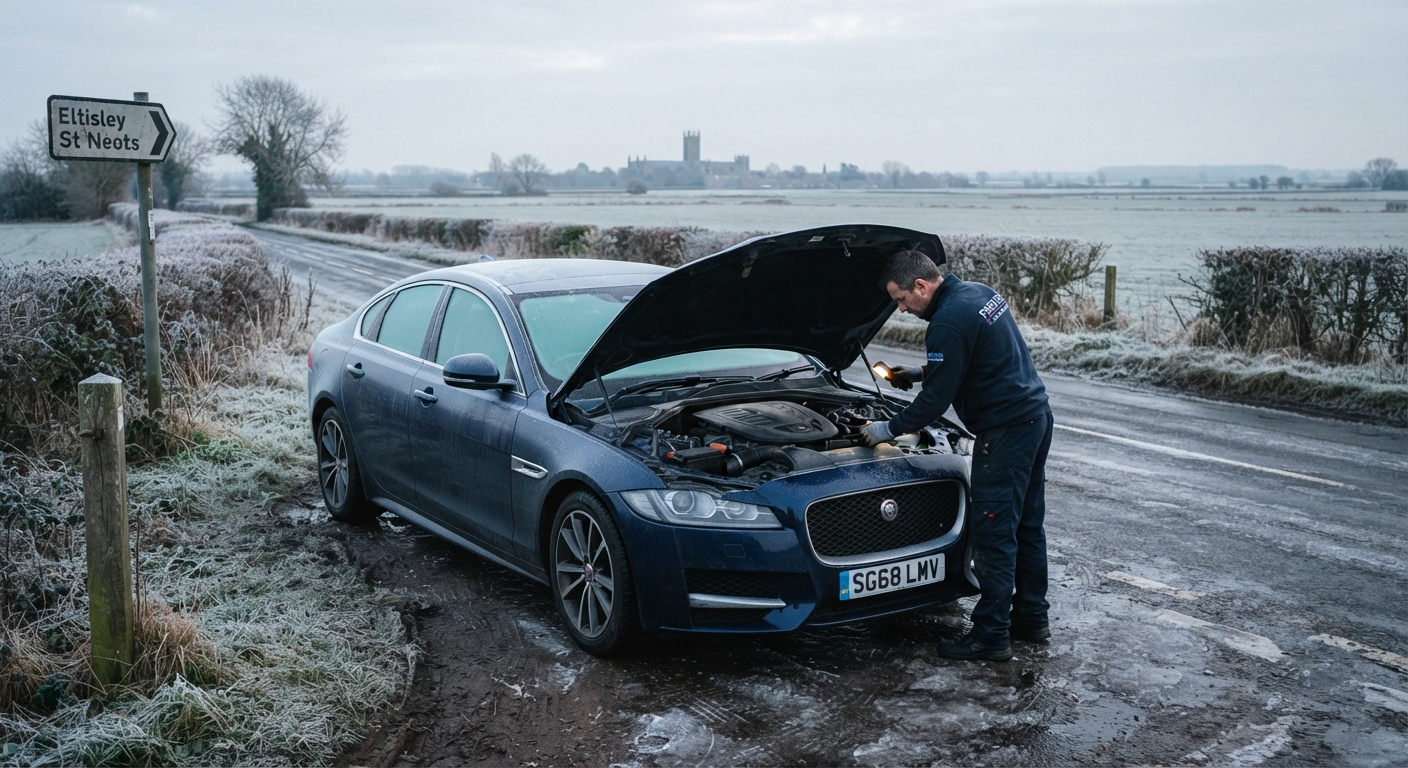
As the temperature drops and the autumn leaves give way to frosty Cambridgeshire mornings, your car faces a whole new set of environmental challenges. Cold weather is notoriously hard on vehicles, and breakdowns are never convenient—especially when it is pouring rain or freezing outside. To help you avoid being stranded on your morning commute, our workshop team has put together this essential guide on preparing your vehicle for the winter months.
Vehicle batteries take the brunt of the seasonal change. Did you know that a car battery has to work up to twice as hard in freezing temperatures just to start the engine, while its own cranking power drops significantly? If your battery is more than three or four years old, the first cold snap is likely to expose it. Drivers often notice warning signs such as slow engine cranking, flickering dashboard lights upon startup, or clicking noises when turning the key. Popping into our workshop for a quick battery health test before the deep freeze sets in can save you from a frustrating morning of jump-starts and emergency call-outs.
When wet leaves, standing water, and ice coat local roads, your tyres become your vehicle’s primary line of defence. While the legal minimum tread depth in the UK is 1.6mm, we strongly recommend a minimum depth of 3mm for safe winter driving, as lower tread significantly reduces grip and increases stopping distances in the wet. Furthermore, as outside temperatures drop, tyre pressures naturally decrease. Checking your pressures monthly and keeping them at the manufacturer-recommended levels helps maintain both fuel efficiency and crucial handling stability.
Winter driving also demands clear vision and reliable engine fluids. Swapping out standard summer screenwash for a heavy-duty, winter-grade formula rated down to at least -15°C prevents your washer jets and reservoir from freezing solid when you need them most. Similarly, your engine coolant needs to contain the correct 50/50 mix of water and anti-freeze to protect the engine block from cracking in sub-zero temperatures while preventing internal corrosion. Finally, check your wiper blades. If they are streaking or leaving patches of water across your windscreen, replace them now before shorter days, night driving, and winter glare make visibility hazardous.
A little preventative maintenance goes a long way toward keeping you safe and mobile through the colder months. If you want peace of mind before the weather turns severe, bring your car to Prestige Auto Solutions for a comprehensive winter health check and let our experienced technicians make sure your vehicle is ready for whatever the season brings.



Enter your registration number, and we’ll automatically find your vehicle details to get you started.
MOT Expiry: