
We use cookies to improve your experience. By continuing to use our site, you agree to our use of cookies.
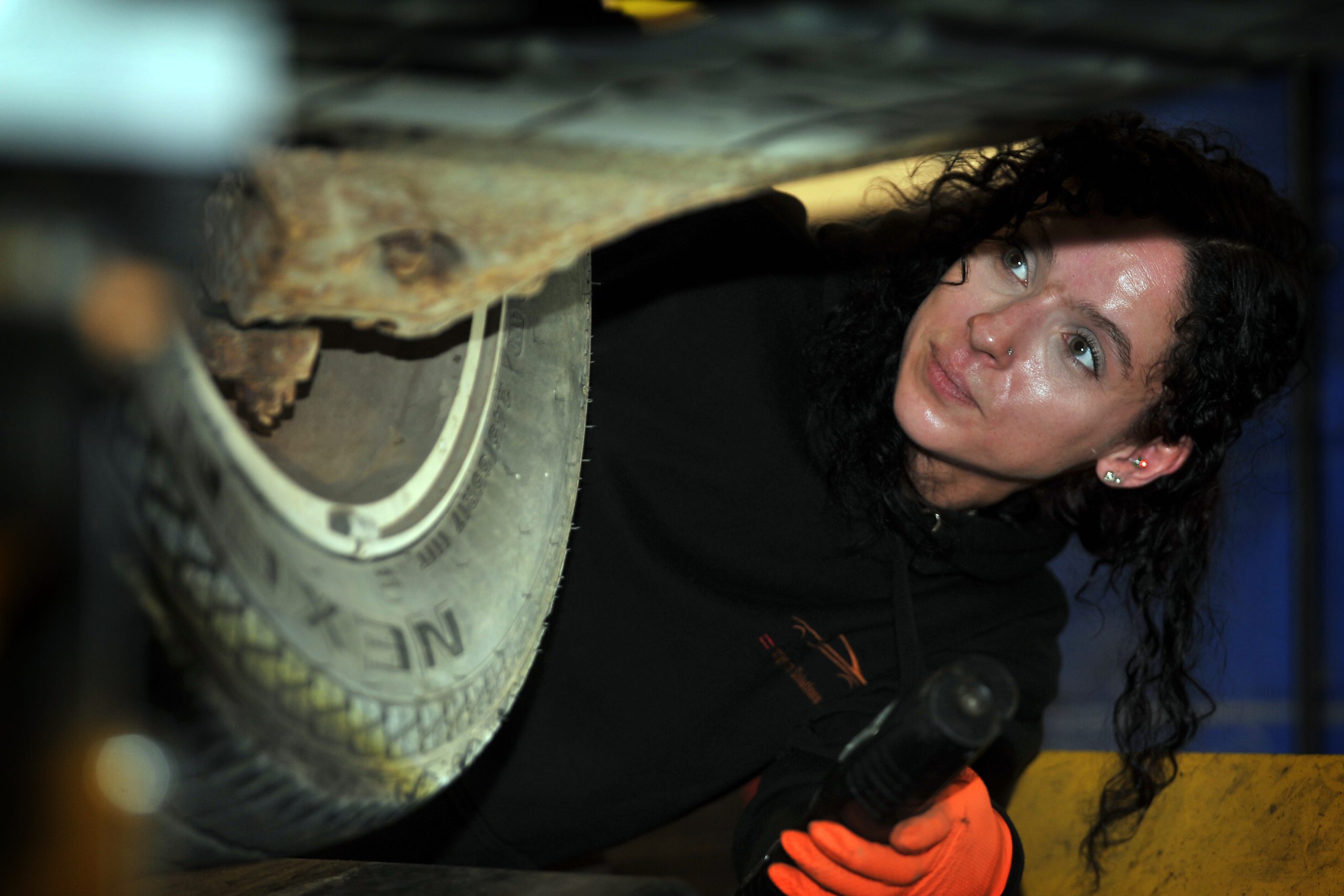
Your car’s braking system is easily its most critical safety feature. Yet, because brake wear happens gradually over thousands of miles, it is remarkably easy to miss the early warning signs until a minor fix becomes a major expense—or worse, a safety risk.
At Prestige Auto Solutions, we regularly see vehicles come into our St Neots workshop with brake components that have worn far past their safety limits. To help you stay safe on Cambridgeshire roads, here is a guide on how to decode what your car’s brakes are trying to tell you.
The High-Pitched Squeal: If you hear a persistent squealing or chirping sound when you press the brake pedal, it is usually the acoustic wear indicator rubbing against the brake disc. This is your cue to book an inspection before the friction material wears away entirely.
The Metallic Grind: If that squeal turns into a harsh, grinding growl, the brake pads have worn down to the bare metal. You are now grinding metal against metal, which ruins your brake discs and drastically increases stopping distances. If you hear this, get your car to a garage immediately.
Soft or Spongy: If the pedal feels unusually soft, travels too far down to the floor, or feels like it is mushy, you likely have air or moisture trapped in your brake lines, or a failing master cylinder.
Vibration or Pulsing: If the steering wheel shakes or the pedal vibrates when you brake, your brake discs may have become warped due to excessive heat or heavy wear.
During your routine service or MOT at our Eaton Socon workshop, our technicians thoroughly inspect your entire braking system, measuring pad thickness and checking fluid health. Don’t wait for a breakdown or an MOT failure. If your car is showing any of these symptoms, drop by or give us a call to ensure your vehicle stops as reliably as it goes.



Enter your registration number, and we’ll automatically find your vehicle details to get you started.
MOT Expiry: